
The UK Three-Season Hiking Packing Checklist
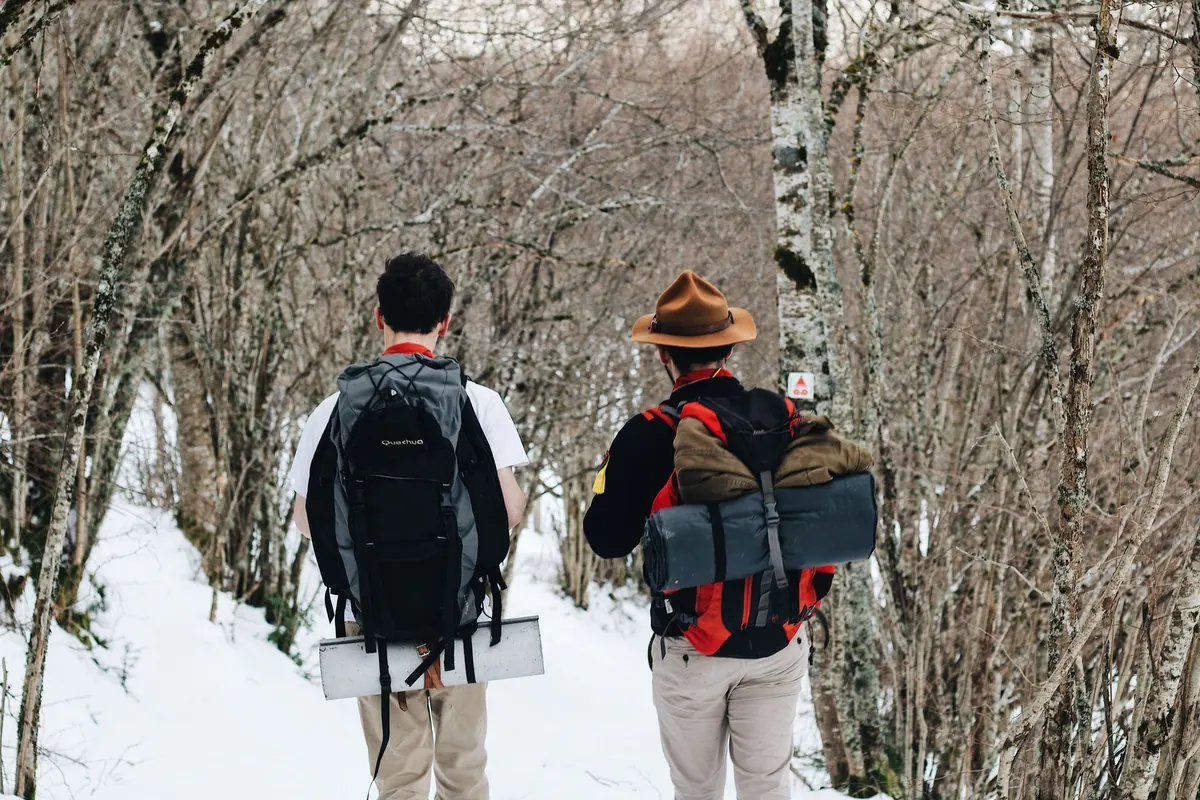
Spring to autumn in the UK can throw four seasons at you before lunch. A mild morning in the Peak District can turn into a wet, windy afternoon on the ridge, while a still September evening can leave frost on the tent. The answer is not to carry everything. It is to carry the right things, packed so you can find them with cold hands.
This checklist is built for day hikes and simple overnights, from a few hours on the South Downs to a low-level camp in the Lakes or a bothy night in Wales. Print it, fold it into your map case, and tick it off before you leave. Adapt it to your route, the forecast and your own comfort levels.
Start with your clothing layers
Layering is the difference between a good day and a miserable one. You want to stay warm when you stop, cool when you climb, and dry when the weather turns. Aim for three working layers plus a waterproof shell.
- Base layer: synthetic or merino wool top. It moves sweat away from your skin and dries quickly. Pack a spare for overnights.
- Mid layer: fleece or light synthetic jacket. This is your warmth while walking.
- Insulation layer: light down or synthetic jacket for stops, camp and emergencies. Keep it in a dry bag.
- Shell: waterproof jacket with a hood and taped seams. Waterproof trousers are worth the weight in exposed places.
- Legwear: walking trousers, shorts or leggings. Avoid cotton jeans, which stay wet and cold.
- Footwear: broken-in boots or trail shoes. Bring spare socks and blister plasters.
- Head and hands: warm hat, gloves, buff or sun hat. Gloves are useful even in summer on windy summits.
Day hike checklist
For a full day out, this is the core kit. If you are heading into remote ground, add the navigation and emergency items without negotiation.
- Rucksack, roughly 20–30 litres, with a waterproof liner or cover
- Water: at least one litre for a short walk, more for long or hot days
- Food: sandwiches, nuts, oatcakes, fruit, chocolate, emergency snack
- Map and compass, plus a GPS app or device if you use one
- Head torch with spare batteries
- First aid kit: plasters, blister plasters, tape, painkillers, antiseptic wipes
- Sun cream, sunglasses, lip balm
- Whistle, emergency foil blanket, small repair kit
- Phone, charged, with a power bank
- Tissues, hand sanitiser, small bin bag
- Tick removal tool if walking through long grass or woodland
Overnight additions
An overnight turns a day pack into a small house. Keep the extra weight low and split shared kit if you are walking with someone else. For campsites, check the rules on fires, stoves and where you can pitch.
- Tent, tarp or bivvy bag, with pegs and guy lines
- Sleeping bag rated for the forecast, not just the season
- Sleeping mat: insulated, because cold ground steals heat
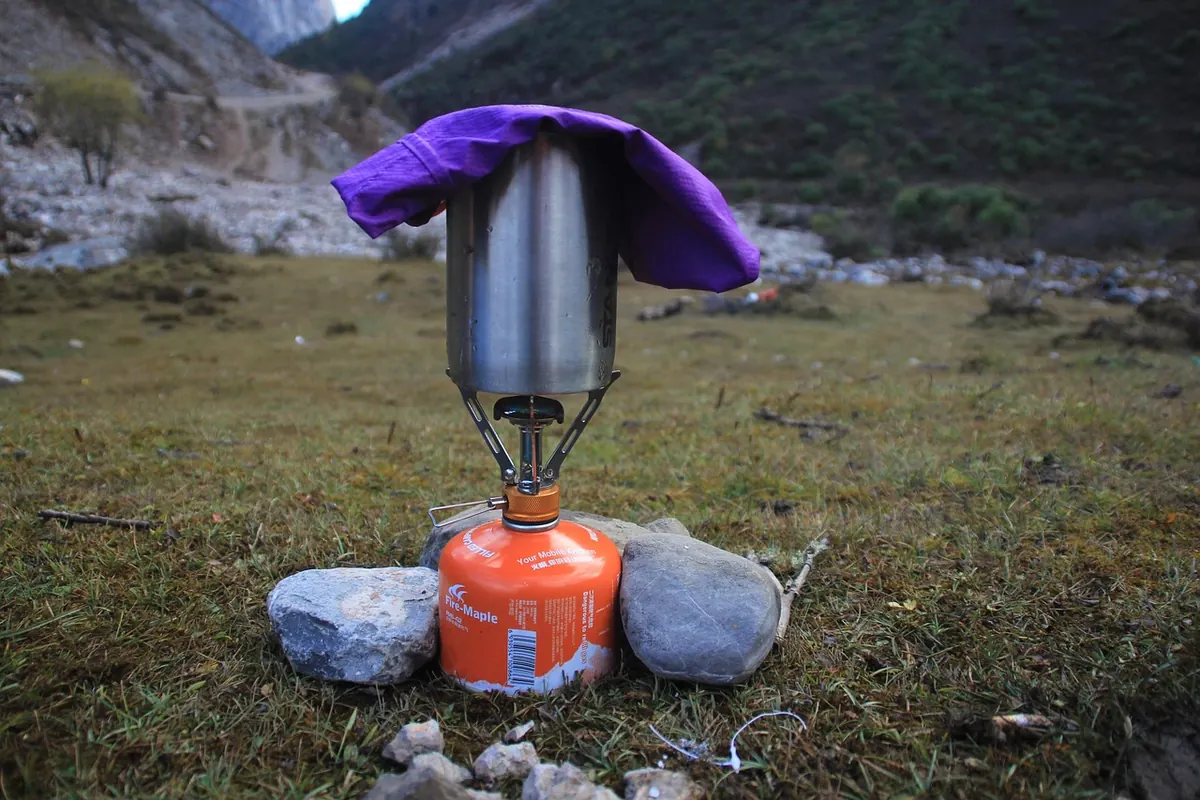
- Stove, fuel, lighter and matches in a waterproof bag
- Pot, mug, spork, and a small cloth
- Extra food for dinner, breakfast and the walk out
- Water filter or purification tablets if you cannot carry all your water
- Dry bags for sleeping bag, clothes and electronics
- Toothbrush, mini toothpaste, small towel
- Repair kit: tape, cable ties, needle and thread, spare cord
- Trowel and waste bags where required
- Camp shoes or sandals for river crossings and evening comfort
Packing for spring, summer and early autumn
The three-season window is wide, so treat your kit as a dial rather than a fixed list.
Spring
Expect mud, showers and cold wind. Take waterproof trousers, a warm mid layer and spare socks. Valley paths can be drier than the tops, so check the mountain forecast rather than the town one.
Summer
Heat and midges are the main tests. Carry more water than feels necessary, start early on exposed routes, and take a sun hat. In Scotland and parts of Wales, a head net and midge repellent can save an evening. A light insulation layer still belongs in the pack for windy summits and sudden rain.
Early autumn
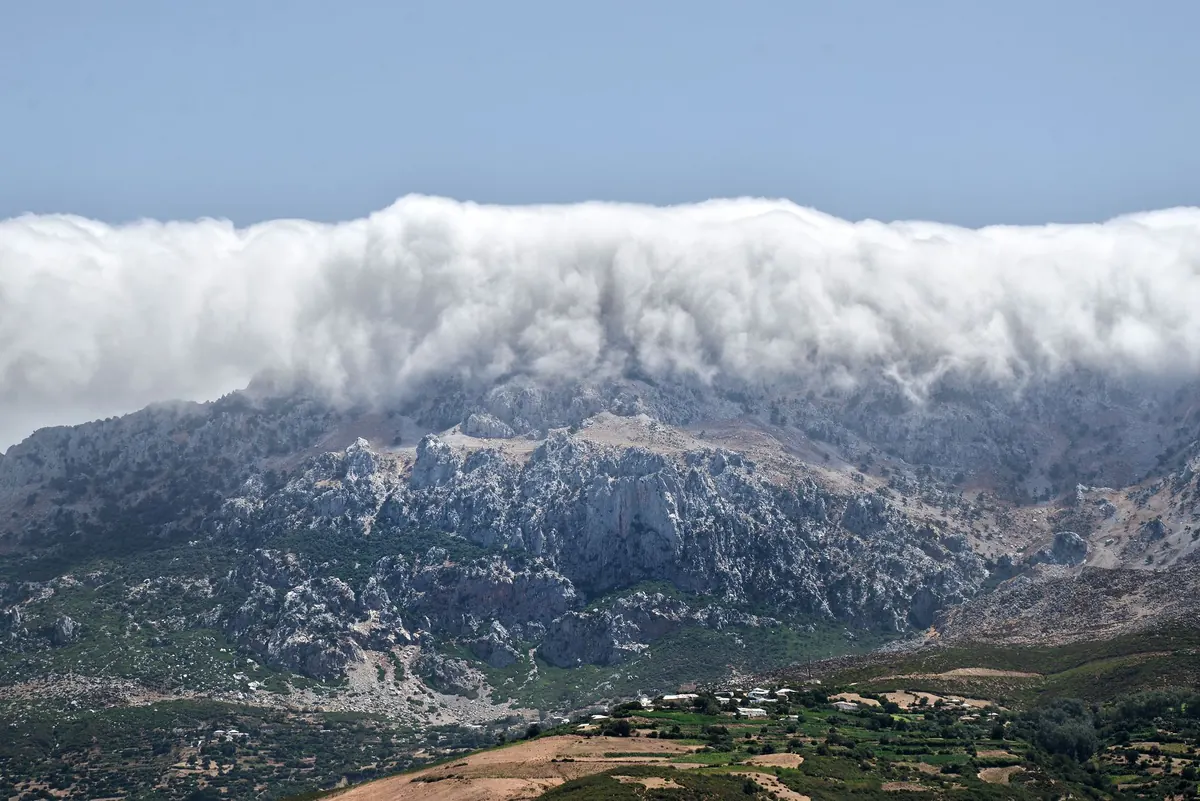
Days shorten quickly. A head torch becomes essential, not optional. Take a warmer sleeping bag for overnights, gloves for early starts, and a spare layer for long stops. Mist can settle in valleys while ridges stay clear, so navigation skills matter more than ever.
The items people forget
Most packing mistakes are small. These are the things that get left on the hall floor and then missed at the worst moment.
- A warm layer for stops, even on a hot day
- Spare socks, kept dry
- Blister kit, not just a plaster
- Head torch, even if you plan to be back before dark
- Matches or a lighter in a waterproof bag
- Emergency contact details written down, not just saved on a phone
- Any personal medication, with enough for the trip
- Cash or a card for parking, buses or a cafe at the end
- A sit mat or folded foam pad for lunch stops
If you have a medical condition, allergies or take regular medication, speak to a healthcare professional about your plans and carry what you need. A remote trail is not the place to improvise.
How to pack it comfortably
- Line your rucksack with a waterproof liner or dry bag.
- Put heavy items, such as food and water, in the middle of the pack, close to your back.
- Keep your sleeping bag and spare clothes in dry bags, low and central.
- Place items you need during the day, like snacks, map, gloves and sun cream, in the lid or side pockets.
- Strap anything bulky, like a tent or mat, so it does not swing or catch on branches.
- Adjust the hip belt first, then shoulder straps, then sternum strap. The weight should sit on your hips, not your shoulders.
Test your packed rucksack around the house before a big walk. If it feels awkward on the stairs, it will feel worse on a steep descent.
Your final check before you leave
Read the forecast, but do not trust it completely. Check the route, the daylight hours and the escape options. Tell someone where you are going, when you expect to be back and what to do if you are not. Carry a map you can read without a battery, and know how to use it.
This list is a starting point. Cut what you never use, add what your route demands, and keep a copy in your rucksack so you are not rebuilding it from memory every time. A well-packed bag is quiet, balanced and boring in the best way. It lets you forget the kit and pay attention to the hills.
Photo: Maël BALLAND / Pexels