Camping Stoves for UK Weather: A Weekend Trip Comparison
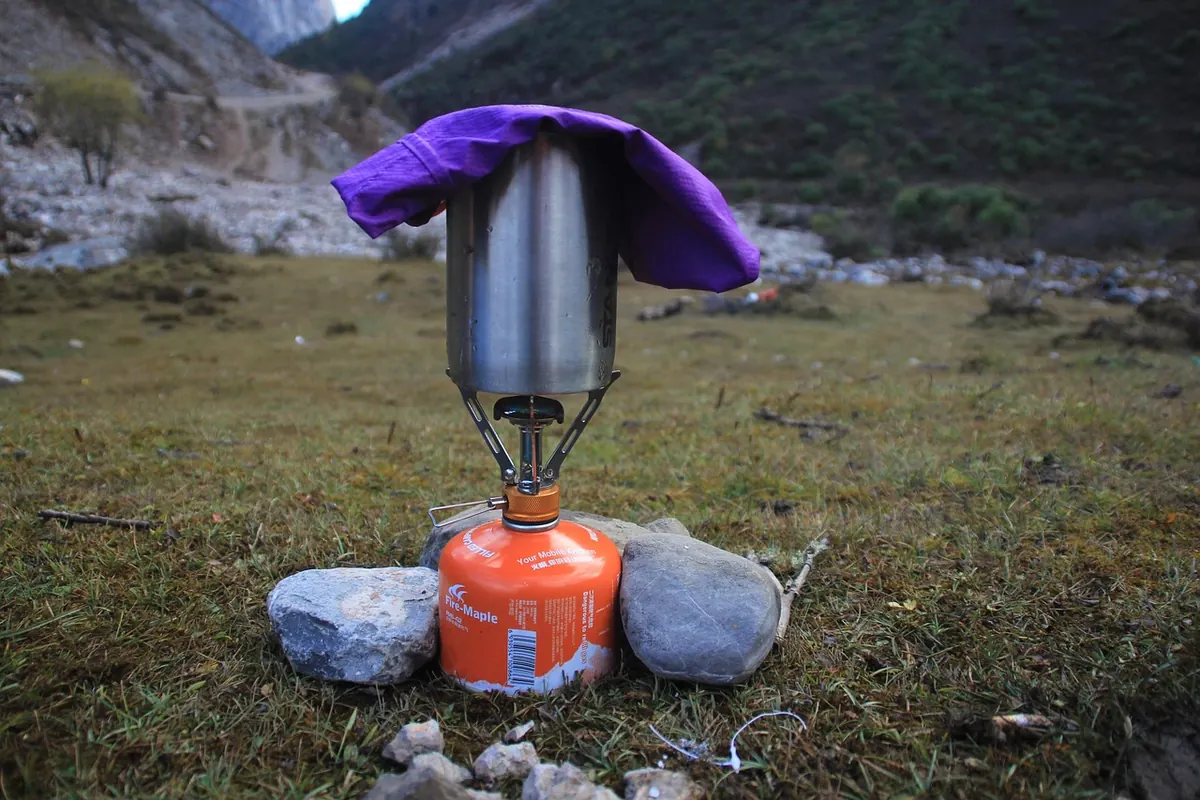
You can learn a lot about a stove from where it fails. On a still July evening at a campsite in Dorset, almost anything will boil water: a battered gas burner, a homemade tin-can alcohol stove, a multi-fuel you have just spent ten minutes priming. Move the same kit onto an exposed Lake District ridge in a March squall and the pecking order changes fast. Wind steals heat from the pot, rain cools the metal and drowns the flame, and a half-empty canister that behaved perfectly at home refuses to vaporise. Here is how the three main families of camping stove cope with the weather we actually get.
What British weather does to a stove
Three things go wrong, usually together. The first is wind, which is the single biggest cause of a slow, sulking brew. A flame pushed sideways is heating the air rather than the pot, and the pot itself is being cooled by the same breeze. The second is rain and general damp: water in the burner, water splashing into the jets, a sodden pot stand, wet hands fumbling with a lighter. The third is cold, which mostly affects gas. A canister does not care about the ambient temperature until it drops, and then it cares a great deal.
The good news is that all three problems are about shelter, not stove design. A decent windshield and a sensible pitch solve more dinner delays than any upgrade you can buy.
Gas: the sensible default, with one cold-weather weakness
For three seasons in the UK, a small gas burner and an EN 417 canister is hard to beat. It lights instantly, simmers, and needs no priming, no pumping and no maintenance beyond wiping the jets. Screw-on canisters are widely available, and the whole setup is light and cheap to run.
The weakness is the fuel mix. Read the label rather than the colour of the canister. A canister that is mostly butane will struggle to produce gas as temperatures approach freezing and will give up entirely below it, even though plenty of liquid fuel remains inside. Isobutane performs better in the cold, and winter blends include propane, which is the component that keeps pressure up when everything else is sulking. If you are camping between November and March, buy the winter blend rather than the cheapest multi-pack.
Three ways to keep a gas stove working in the cold
- Warm the canister before you cook. A canister kept in a jacket pocket or at the foot of a sleeping bag starts the morning with more pressure. Never apply direct heat to a canister, and never leave one in a hot vehicle.
- Use a remote canister stove if you expect real cold. Models with a preheat loop can be used with the canister inverted, so liquid fuel rather than vapour feeds the burner. Only do this on a stove specifically designed for it.
- Shield the burner, not the canister. A windshield clipped tightly around the canister traps heat and can cause it to overheat dangerously. Keep the foil or screen around the burner head and leave the canister in open air.
One more habit: piezo igniters are unreliable in wet weather. Carry a lighter or matches as well, and keep them in a dry pocket rather than the bottom of a rucksack.
Alcohol: quiet, slow and remarkably calm about weather
Methylated spirits stoves, and the Trangia-style systems built around them, have a loyal following for good reasons. There is no pressure, no priming and no noise, and the classic Trangia setup combines windshield and pot stand in a single unit that shrugs off a breezy pitch better than a bare gas burner. Fuel is inexpensive and can often be bought in village hardware shops, which matters on a longer walk.
The trade-off is speed. A litre of water takes noticeably longer on alcohol than on gas, and you will carry more fuel weight for the same number of hot meals. For a solo weekend of porridge, tea and rehydrated dinners, that rarely matters. If you are melting snow, feeding four people or trying to cook in a genuine gale, it does. Alcohol is at its best in a bothy, a sheltered campsite or a long trip where reliable fuel resupply and a silent stove matter more than minutes.
Multi-fuel: the option that ignores the forecast
Multi-fuel stoves run on white gas, unleaded petrol, paraffin or diesel, and they generate serious heat in conditions that leave canister stoves whimpering. You pressurise a refillable bottle with a pump, prime the burner with a little fuel, wait for the flame to settle, and then cook properly. In winter, in a bothy at the end of a wet day, or on any trip where you need to boil a lot of water quickly, they earn their place.
They also demand respect. Priming in the rain is fiddly, so learn to do it on a sheltered rock or use a priming pad. Petrol from the filling station burns dirtier than white gas and will eventually clog jets; paraffin and diesel soot more still. Expect to clean the burner, replace O-rings and carry a small tool kit. They are heavier and smellier than gas, and that faint whiff of petrol in the porch is a price you pay for performance.
Pack weight: count the whole system, not just the stove
Stove weights are quoted without fuel, which makes the numbers almost meaningless on their own. The real question is what you carry for the fuel you need.
- Gas: a burner is light, but the steel canister is dead weight even when empty, and output drops as it empties in cold conditions. You also have to carry the empty canister out.
- Alcohol: the burner and windshield system is heavier than a gas burner, and the fuel carries less energy for its weight, so a long trip means a heavy bottle.
- Multi-fuel: the stove itself is the heaviest option, plus a bottle and pump. Fuel is energy-dense enough that on longer trips the weight gap narrows considerably.
For two nights, gas usually wins. For five days and cold weather, the maths shifts.
Choosing one for your next weekend
For a summer campsite with the car nearby, take gas. A small burner and a mid-size canister will cover two people for a weekend of drinks and simple meals, and you can leave the complexities at home.
For three-season backpacking, a lightweight gas burner, a winter-blend canister and a proper windshield is the combination most people will be happiest with. Add a foil screen, pitch behind a wall or in the lee of a rock, keep the lid on the pot, and start with water you have carried rather than water you have to melt.
For a cold, wet trip where cooking matters, a remote canister stove or a multi-fuel is the pragmatic choice. A group bothy weekend is a good excuse for a multi-fuel: one stove, one fuel bottle, endless brews.
Whichever you pick, practise with it at home before you rely on it, and follow the manufacturer's instructions. Never cook inside a closed tent: stoves burn oxygen and produce carbon monoxide, which is odourless and lethal. Use the porch with the door open, or cook outside, and check whether your campsite permits open flames. A stove you trust, used sensibly, is what turns a wet weekend into a good one.
Photo: lauchomo / Pixabay