
Common Mistakes First-Time Backpackers Make in the UK
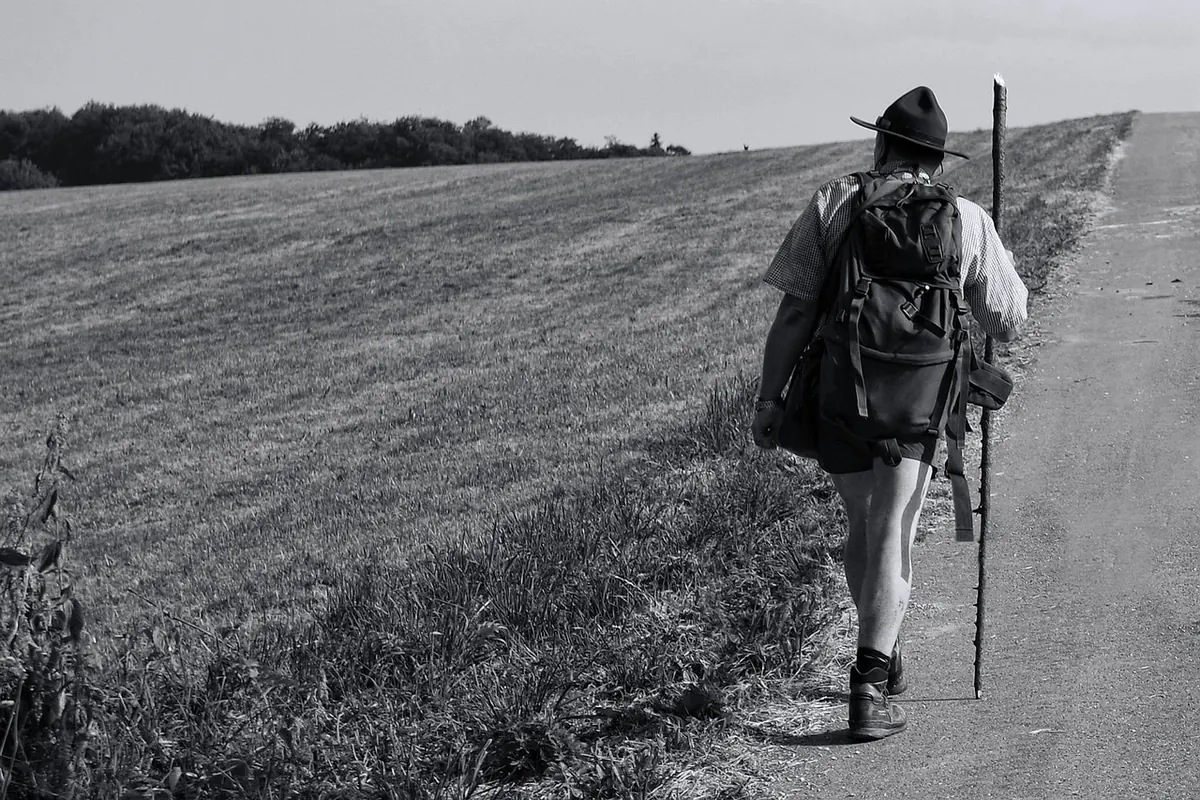
You can usually spot a first-time backpacker somewhere around the second mile: the one in a soaked cotton hoodie, following a phone with four per cent battery, heading for a campsite that closed in September. None of it is a catastrophe, but these are small mistakes — and much easier to avoid than to fix on a hillside in the rain.
Britain is a fine place to walk with a pack. Distances between villages are short, the footpath network is generous, and the landscape changes every few miles: quarried moorland into beech hangers, salt marsh into chalk down, slate spoil into oak woodland. But it is also a country that punishes assumptions. The weather turns inside twenty minutes. The daylight goes earlier than you think. The pub shuts between lunch and dinner, the shop is closed on a Tuesday, and the "shortcut" across the field is a waist-deep bog with a hidden ditch in it. The mistakes below are the ones that catch nearly everyone the first time they shoulder a pack here.
Packing for the Weather You Want, Not the Weather You'll Get
Almost every first-timer overpacks the fun things and underpacks the boring ones. The result is a 20 kg load of camp chairs and marshmallows and a single cotton hooded top that becomes a wet flannel the moment the drizzle starts. Cotton is genuinely dangerous in a British upland: it holds water, clings, and pulls heat out of you, which is exactly how people end up shivering in July.
- Cotton against the skin — swap it for merino or a synthetic base layer that still insulates when damp.
- A waterproof that has never been tested — a £12 pac-a-mac will last about forty minutes on an exposed ridge. A proper shell with taped seams and a hood that stays up is worth every penny.
- Boots or shoes straight out of the box — break them in before the trip, not on the trip.
- Everything loose in the pack — one dry bag for the sleeping bag and one for spare clothes turns a soaking rucksack into a minor inconvenience rather than a disaster.
The layers that work are simple: base layer, fleece or light synthetic mid-layer, waterproof shell, plus a spare dry set kept separate in the bottom of the pack. Add a hat and gloves even in August — windchill on a Scottish corrie in summer is real, and hypothermia does not check the calendar.
"There's no such thing as bad weather, only unsuitable clothing." You will hear it in every outdoor shop in Britain, and it is only half a joke.
Treating a Phone as Your Only Map
Phone navigation is wonderful right up to the moment the screen is wet, the battery is flat, and the signal has vanished in a valley with no habitation for four miles. Cold weather drains batteries fast, and a phone that has been in a hip pocket all day at two degrees will die considerably sooner than its percentage suggests.
Carry a paper map — the OS Explorer 1:25,000 series for anywhere genuinely rough, Landranger 1:50,000 for open country — and a compass you actually know how to use. At the very least, download offline map tiles before you leave, take a power bank, and write a route card with the grid references of your start, finish and two escape points. Tell someone at home where you are going and when you expect to be back.
British navigation has its own vocabulary, and it pays to learn it before you go: footpaths, bridleways, byways and permissive paths all carry different rights; stiles, kissing gates and ladder stiles all slow you down; and a faint line on the map across open moorland might be a public right of way or it might be a sheep track that fades into nothing. Paths that are obvious at the gate can disappear completely a hundred metres later.
Assuming You Can Wild Camp Anywhere
The rules are different in each nation, and this is where most visitors get caught out. In Scotland, the Land Reform (Scotland) Act 2003 gives a right of responsible access that includes lightweight wild camping on most unenclosed land — but not in enclosed fields, and not in the camping management zones around Loch Lomond and the Trossachs, where permits are required in season. In England and Wales, wild camping requires the landowner's permission. Dartmoor is the well-known exception, but the legal position there has shifted more than once in recent years, so check the current rules rather than relying on a forum post from 2019.
If you do camp wild, camp late and leave early, keep the pitch small, use a stove instead of a fire, and take every scrap away with you. Bury human waste well away from water and paths. Mountain bothies — the free, unlocked shelters maintained by the Mountain Bothies Association — are a wonderful institution, but they cannot be booked, are first come, first served, and can be full on a Friday night.
Underestimating Distance, Climb and Daylight
Walkers routinely plan using flat-ground speed and then meet the reality of a loaded pack, bog, stiles and 700 metres of ascent. A useful starting rule is Naismith's: roughly 4 km per hour on the flat, plus about an hour for every 600 metres of climbing. On wet ground with a heavy pack, 3 km per hour is more honest. A "ten-mile day" with two big climbs is a full day, not an afternoon stroll.
Daylight is the other trap. In December, much of Britain is dark by four in the afternoon, so a late start means walking the last two hours by torchlight. In the Scottish Highlands in June, it barely gets dark at all, which sounds romantic until you find yourself still on a ridge at eleven at night because the light never told you to stop. Carry a headtorch with spare batteries even on a short day.
Ignoring Opening Times, Closures and the Last Bus
Rural Britain runs on limited hours, and the first-timer's plan often assumes a town works like a city.
- Campsites — many close for the season in September or October, and the ones that stay open often shut their facilities block.
- Pubs — food is usually served around 12–2.30pm and 6–9pm, and rural pubs frequently close on a Monday or Tuesday.
- Village shops — a surprising number are shut on Sundays, or all day Wednesday, and the petrol station may be the only place to buy food for miles.
- Buses and trains — Sunday services are thin or nonexistent, the last bus can run in the late afternoon, and bikes need booking on many train routes in advance.
Ring ahead or check online the day before, and always carry an extra meal's worth of food. "I'll get something in the next village" is the sentence spoken by every backpacker who has ever gone to bed hungry.
The Small Things That Ruin Big Walks
Feet
Blisters end more British trips than weather does. Keep feet dry where you can, wear two thin socks or one good pair of walking socks, and tape hot spots the moment you feel them rather than at camp. Air your feet at lunch.
Water and Fuel
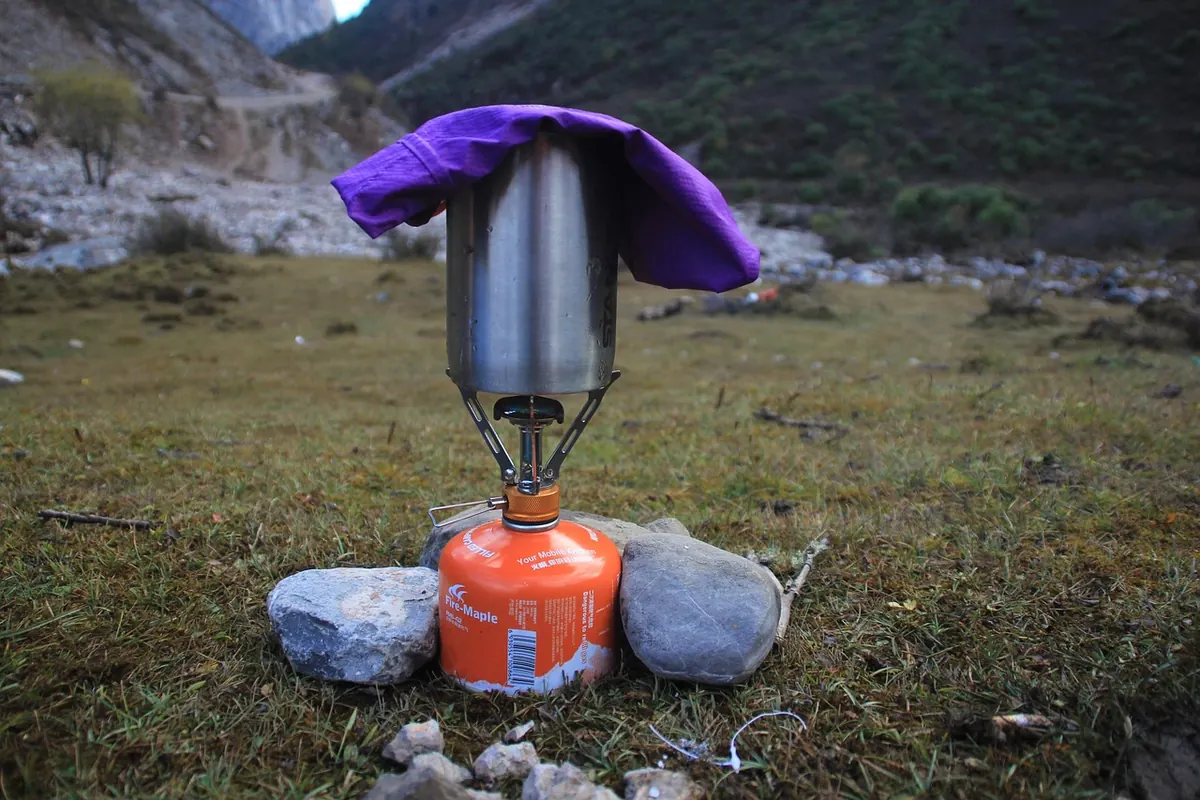
Upland streams look clean and may well be, but they run through sheep and deer country. Filter or treat drinking water rather than trusting appearances. Check where you can buy gas canisters or meths before you set out, and note that open fires are banned or socially unacceptable on most moorland — peat fires smoulder underground and reappear hours later.
Midges, Ticks and Livestock
West coast midges run roughly May to September and are worst at dawn, dusk and on still, damp days: a head net and repellent are not luxuries. Ticks lurk in long grass and bracken, so check yourself each evening and remove any properly. Cattle with calves on a footpath merit a wide detour rather than a brave stride, dogs belong on leads around livestock, and in England dogs are excluded from most open access land between 1 March and 31 July to protect ground-nesting birds.
A Short Pre-Trip Checklist
- Route planned with at least two escape points and a realistic time for the slowest member of the group.
- Paper map, compass, offline maps, power bank, headtorch, spare batteries.
- Waterproof shell, warm mid-layer, spare dry layer, hat and gloves, dry bags.
- Water treatment, stove with checked fuel, one spare meal, cash for honesty boxes and small shops.
- Campsite or accommodation confirmed, and the last bus checked.
- Someone at home has your route and expected finish time.
- Emergency plan: dial 999 and ask for police, then mountain rescue; if signal is poor, register for emergency SMS on your phone before you travel.
The Good News
Britain is a forgiving place to learn. Villages are close together, hostels and pubs exist in improbable places, and volunteer mountain rescue teams will come out for you in the worst weather without sending a bill. Almost every mistake on this list is recoverable — you will dry out, you will find a shop, you will walk further than you meant to and still make the last bus.
But the point of knowing the mistakes in advance is that recovery is much less fun than prevention. Get the layers right, carry a map, plan a shorter day than you think you need, and check what is open. Then the rain becomes weather rather than an emergency, and the second mile is where the walk starts getting good.
Photo: Pexels / Pixabay