

The House Always Wins? Why Smart Players Still Beat the Odds
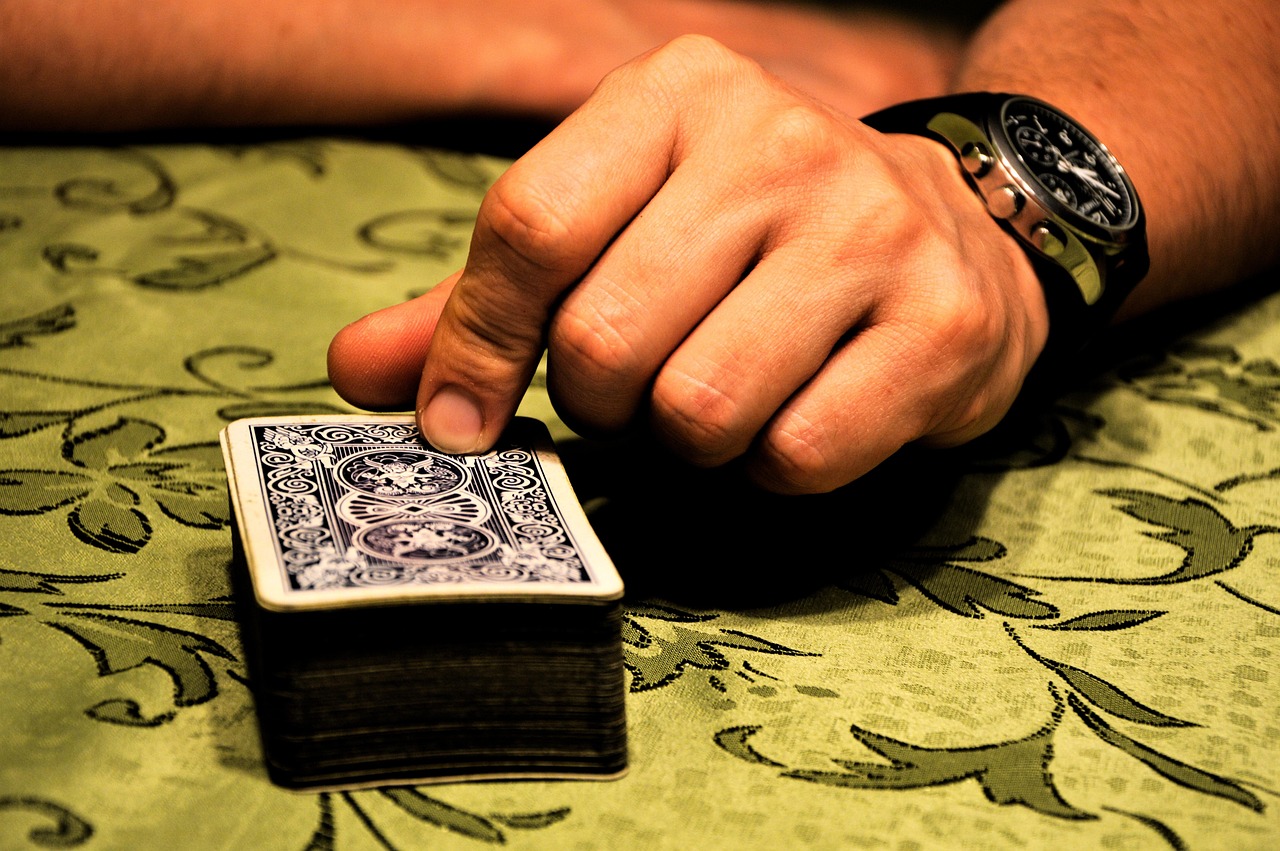
Every casino floor tells the same story in neon: the house has an edge, and it's not shy about it. Yet millions of people log into online casinos, poker rooms, and sportsbooks every day, convinced they can outsmart the math. Some of them actually do. That contradiction is the heart of iGaming—a world where probability, psychology, and a little bit of luck collide in ways that are far more interesting than the tired "house always wins" cliché.
If you've ever wondered why some players seem to grind out steady profits while others burn through deposits in an hour, the answer isn't magic. It's understanding the mechanics behind the games, the numbers behind the bets, and the discipline behind the decisions. Let's break it down.
Know Your RTP, Because the Casino Already Does
Return to Player (RTP) is the percentage of all wagered money a game is designed to pay back over millions of spins. A slot with 96% RTP keeps 4% for the house in the long run. That sounds small until you realize it's compound math working against you every time you press spin. dana slot covers this in more detail.
Here's where it gets practical. Not all slots are created equal. Modern video slots from providers like NetEnt, Play'n GO, and Pragmatic Play often land between 94% and 97%. But some high-volatility titles dip to 92% or lower, and those gorgeous branded slots tied to movies or TV shows? Often the worst offenders. Meanwhile, blackjack played with basic strategy can push RTP above 99.5%, and certain video poker variants like Jacks or Better sit around 99.5% with perfect play. That gap—92% versus 99.5%—is the difference between a slow bleed and a fighting chance.
- Slot tip: Check the paytable's RTP before you play. It's usually buried in the info screen, but it's there.
- Table game tip: Learn basic strategy. It won't make you a pro, but it cuts the house edge from around 2% to under 0.5%.
- Video poker tip: Always play max coins on progressive machines to unlock the royal flush bonus—but only if the paytable is favorable.
Poker Is the One Game You Can Actually Beat
Here's a blunt truth: in slots, roulette, and most casino games, you're playing against a fixed mathematical edge. In poker, you're playing against other people. That changes everything. The house takes a rake—typically 5% to 10% of each pot—but the money you win comes from weaker opponents, not the casino.
This is why professional poker players exist while professional slot players (outside of streamer gimmicks) don't. Winning poker isn't about hitting miracle cards. It's about making better decisions than the people across from you, hand after hand, session after session. Position matters more than the cards you're dealt. Aggression wins more pots than passive calling. And bankroll management—never sitting with more than 5% of your total roll in a single cash game—keeps you alive through the inevitable downswings.
If you're new to online poker, start at the micro-stakes. The players are bad, but the rake is brutal, so treat it as tuition. Move up only when you're consistently beating the level for at least 20,000 hands. Anything less is noise.
Sports Betting: Where Information Beats Instinct
Sports betting has exploded in recent years, and with it, a flood of casual bettors who think knowing football means knowing how to bet on it. It doesn't. The bookmaker's margin—the vig—sits around 4% to 5% on a standard two-way market. To beat that, you need an edge that the market hasn't priced in yet.That means shopping lines. The same NFL game might be -3 at one sportsbook and -3.5 at another. Over hundreds of bets, taking the better number is worth more than any hot tip. It also means understanding closing line value (CLV): if you consistently bet lines that beat the closing number, you're likely a winning bettor long-term, even if short-term results swing against you.
- Track every bet you place in a spreadsheet—stake, odds, result, and closing line.
- Specialize in one or two leagues instead of betting everything.
- Fade public money when it's lopsided; books shade lines toward popular teams.
- Never chase losses with bigger bets. That's how bankrolls die.
The Psychology Trap Every Player Falls Into
Casinos and sportsbooks aren't just built on math. They're built on human behavior. Variable ratio reinforcement—the same principle that makes slot machines so addictive—doles out rewards unpredictably to keep you pulling the lever. Near-misses on slots (two cherries and a lemon) trigger the same dopamine response as an actual win. Free spins, cashback offers, and loyalty points are designed to keep you playing, not to make you profitable.The players who last aren't the ones with the best systems. They're the ones who set limits before they log in, treat losses as the cost of entertainment, and never bet money they can't afford to lose. If you find yourself chasing a deposit you lost an hour ago, you've already lost the mental game.
What Actually Separates Winners From Everyone Else
The uncomfortable truth is that most iGaming participants are there for entertainment, and that's completely fine—as long as they're honest about it. The small minority who treat it like a skill-based endeavor share a few habits:
- They specialize rather than spread themselves thin across every game and sport.
- They track results meticulously and adjust based on data, not feelings.
- They understand variance and don't panic during losing streaks.
- They exploit bonuses and promotions strategically, not impulsively.
- They walk away when the edge is gone.
None of this guarantees profits. Variance is a real force, and even winning players endure months in the red. But it separates decision-making from gambling—and that's the only edge that's ever truly yours.
The Bottom Line
iGaming isn't a get-rich-quick scheme, and anyone selling that fantasy is selling you something else. But it's also not a rigged game where skill is meaningless. The math is real, the house edge is real, and so is the possibility of outplaying weaker opponents in poker or finding value in mispriced betting lines.
What matters is knowing which game you're playing. If you're spinning slots, you're buying entertainment with a known cost. If you're grinding poker or shopping sports lines, you're competing in a marketplace where information and discipline can actually pay. Confusing the two—treating slots like a skill game or poker like a lottery—is how most players end up broke and confused.
Play the game you're actually in. Respect the math. And never forget that the best players aren't the ones who win every session—they're the ones still standing when the luck evens out.